Recommended foundation repairs often carry price tags exceeding ten or twenty thousand dollars, making it reasonable to question whether the proposed work is truly necessary or if less invasive solutions might achieve the same result. Contractors selling repair systems have a financial incentive to recommend their products, which doesn't always align with engineering judgment about what a particular foundation condition actually requires. Gary J Miller LLC provides an independent structural engineering opinion before you commit to expensive foundation repairs recommended by a repair contractor, giving Pittsburgh homeowners an objective assessment of whether proposed work is warranted or excessive.
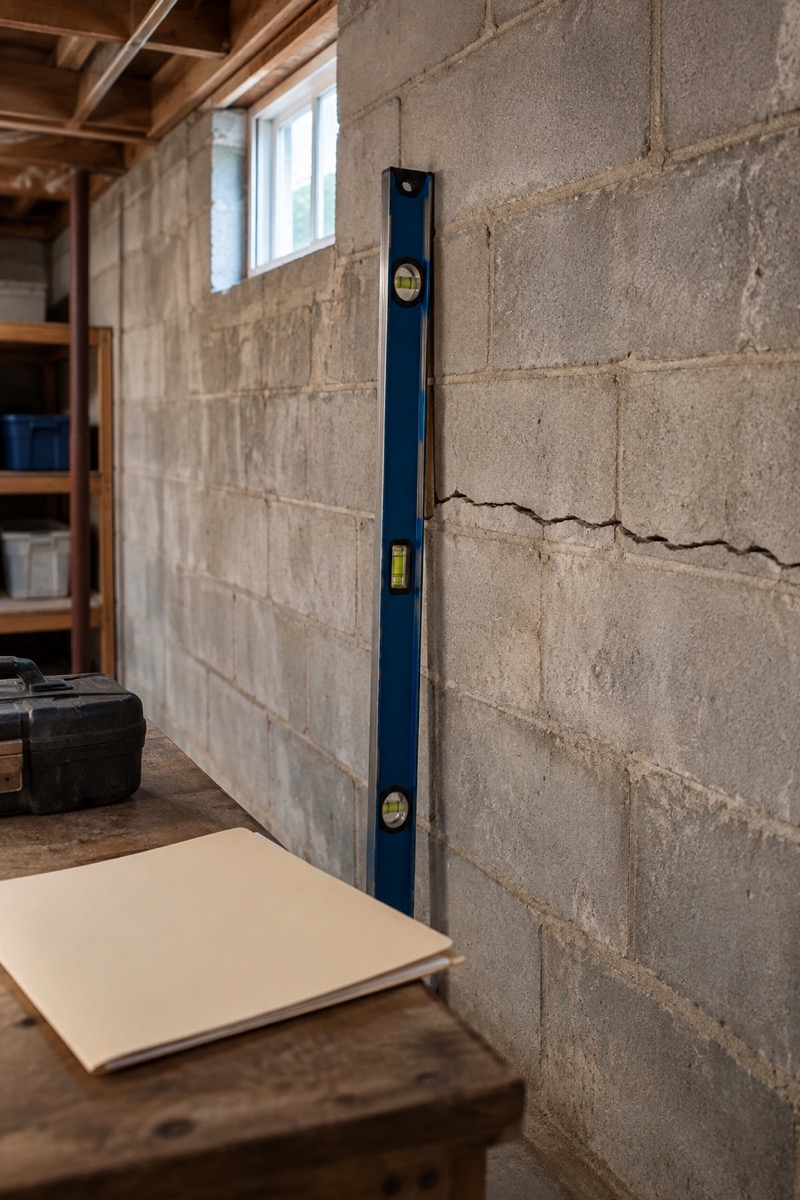
The evaluation reviews the contractor's diagnosis, measures existing foundation conditions, and determines whether the severity of distress justifies the scope of repairs being proposed. In many cases, foundation problems can be stabilized or corrected with drainage improvements, selective reinforcement, or limited intervention rather than comprehensive repair systems. The goal is confirming that the proposed repair addresses the actual structural problem and isn't overselling a solution beyond what the condition requires.
Request a second opinion to verify whether the foundation repairs you've been quoted are structurally necessary and appropriately scaled to the problem.
The engineer examines the same conditions the contractor evaluated, documents measurements independently, and applies structural engineering principles to assess whether the recommended repair is necessary, over-designed, or potentially incomplete. This includes evaluating whether the root cause has been correctly identified-since repairing symptoms without addressing poor drainage or soil pressure often leads to continued problems even after expensive repairs are installed.
Once the independent evaluation is complete, you'll know whether the contractor's recommendation aligns with engineering standards or whether alternatives exist that would resolve the structural concern at lower cost or with less disruption. You'll also understand whether the proposed repair is urgent or if monitoring or phased intervention makes more sense given the condition's severity. This removes the pressure of making a major financial decision based solely on a sales presentation and provides technical justification for negotiating scope or seeking competitive bids.
The second opinion is advisory and does not include design of alternative repairs, though the engineer can outline what types of interventions would be appropriate based on observed conditions. If you decide to proceed with repairs, the independent assessment provides a technical baseline for evaluating contractor proposals and confirming that work is performed as specified.
Homeowners facing large repair estimates often wonder whether getting another perspective is worth the time and cost compared to the potential savings.